Shadow Work is more than just Jungian therapeutic techniques to reveal the hidden aspects on the psyche. Shadow work as found in ancient Egyptian, Mesoamerican and Far Eastern esoteric traditions include much deeper and direct applications to advanced alchemy, astral work, magical practices, and even psychic self defense. This class serves as an introduction to the more alchemical and magical aspects of Shadow Work.

In the East, Shadow Work consists of a deep exploration with magical and spiritual practices that actually engages it directly and uses it as a resource. For example, higher stages of shadow work can utilize both the projection and absorption abilities of the darkness of one’s shadow to gather information or to absorb specific energetic qualities and characteristics that can benefit oneself in their spiritual journey. Because one cannot simply destroy their shadow, and repressing it makes things far worse allowing it to manifest in destructive ways that cause more imbalance for an individual, these ancient traditions instead put its dark qualities in their proper place and use it for its unique abilities that can help oneself along in their path towards the sacred and divine Wholeness.
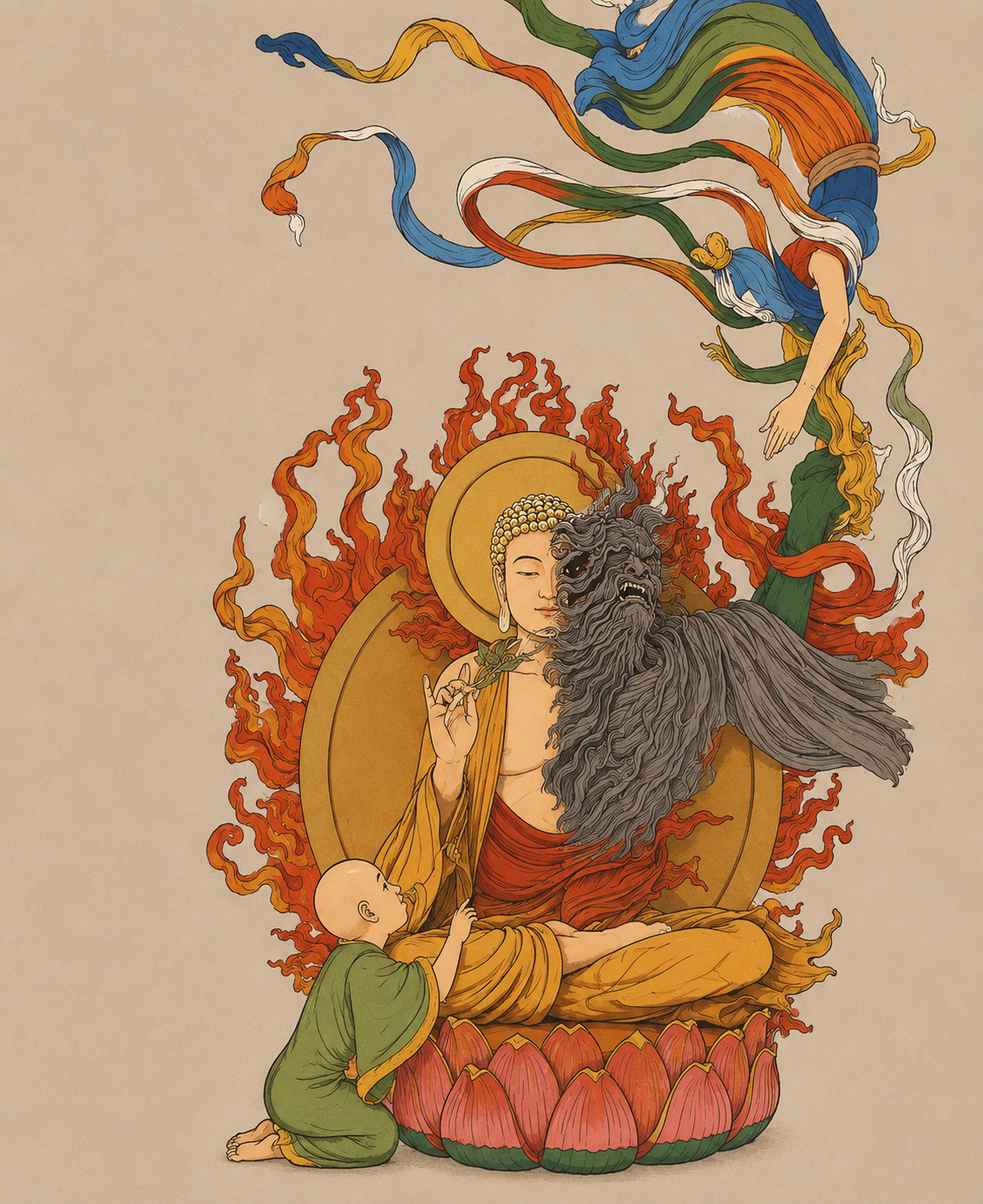
This type of shadow work can consist of very advanced, powerful and even dangerous practices since one is directly working with their shadow, so it’s traditionally only taught after one has successfully completed proper purification and has achieved specific indicators in later stages of alchemy -- or within higher levels of initiation in specific Eastern traditions. This falls into the realm of the Yin Mysteries and can aid one tremendously in their alchemical and spiritual pursuits, if done properly.
The ninja infamously known as a shadow warrior has direct relevance to this type of work. In fact, much of the esoteric magical methods found in Ancient Japan consisted of practices to master the Shadow itself and use it for various purposes.
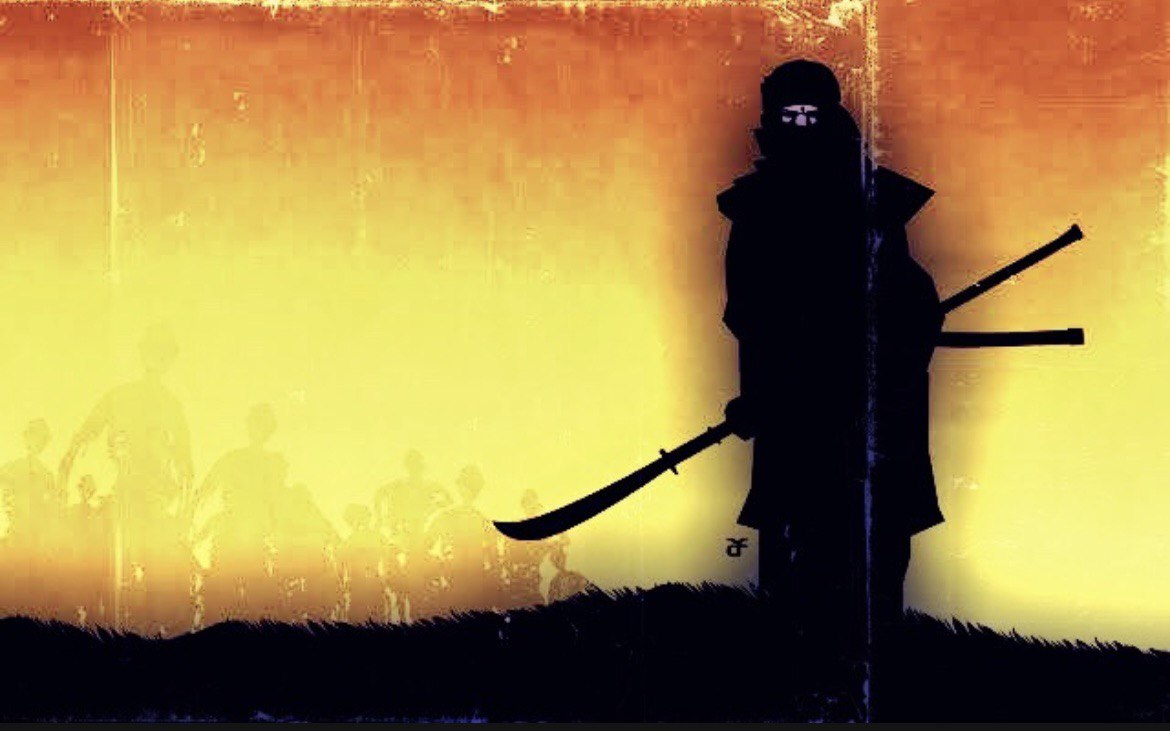
There are additional practices, spells, empowerments and rituals that allow one to reveal the secrets of the shadow, and to allow one to access advanced stages of shadow work that fall under the umbrella of the Yin Mysteries. Yet these practices are best done under the direct guidance of a teacher or after being initiated into an authentic lineage of Eastern magic.
Advanced shadow work is far more than just about revealing repressed emotions and healing wounds. It is about awakening consciousness and increasing lucidity, standing firmly in your light to illuminate the darkness, claiming your wholeness, and learning to move through the unseen with skill and protection. Real shadow work is not for the weak. This is a path of inner alchemy, martial mastery and spiritual warrior training.
In this next class of our shadow work series, you will learn how to identify the hidden and subtle subconscious influences that arise from both within and without. We will first explore the difference between internal shadow material and external influences that are being directed or targeting one through the shadow and you will learn methods to purify or address these. You’ll discover how the unresolved wounds within can attract, amplify, or be manipulated by forces from outside, whether that’s projections from others, collective energies, or directed interference from entities. You will learn how to discern the difference between an emotional imbalance or projection that is yours to integrate vs. something external that has been sent or attached. We will also explore how to investigate energetic leaks and identify the various kinds of interactions that can arise in the hidden realms.
One of the most famous of the Shadow warriors throughout history are the Japanese ninja/shinobi 忍者 whose secrets still inspire the curiosity and imaginations of people today. A closer and more esoteric look at the very name (忍者 - shinobi) reveals much about the nature of Shadow Work in general. The first character 忍 (nin) translates as “to endure; bear; suffer”, while the second 者 (ja) means “person”. So on its surface it means “one who endures”. The character 忍 itself is formed of two characters. The top character is 刃 and means “blade”, or “sword”, while the bottom is 心 and means “heart, mind, spirit, truth”. It’s image is meant to convey the idea of a strength of heart able to hold to the spirit of truth, while under the threat of danger. However, phonetically, Shin-obi can be written as 心帯, which can be translated roughly as “spirit belt”, and meant to convey several concepts, like to be surrounded/wrapped by Spirit. A more ancient way of writing it would be 神帯. Although not a grammatical phrase in use, it’s meaning is to be surrounded by the divine.
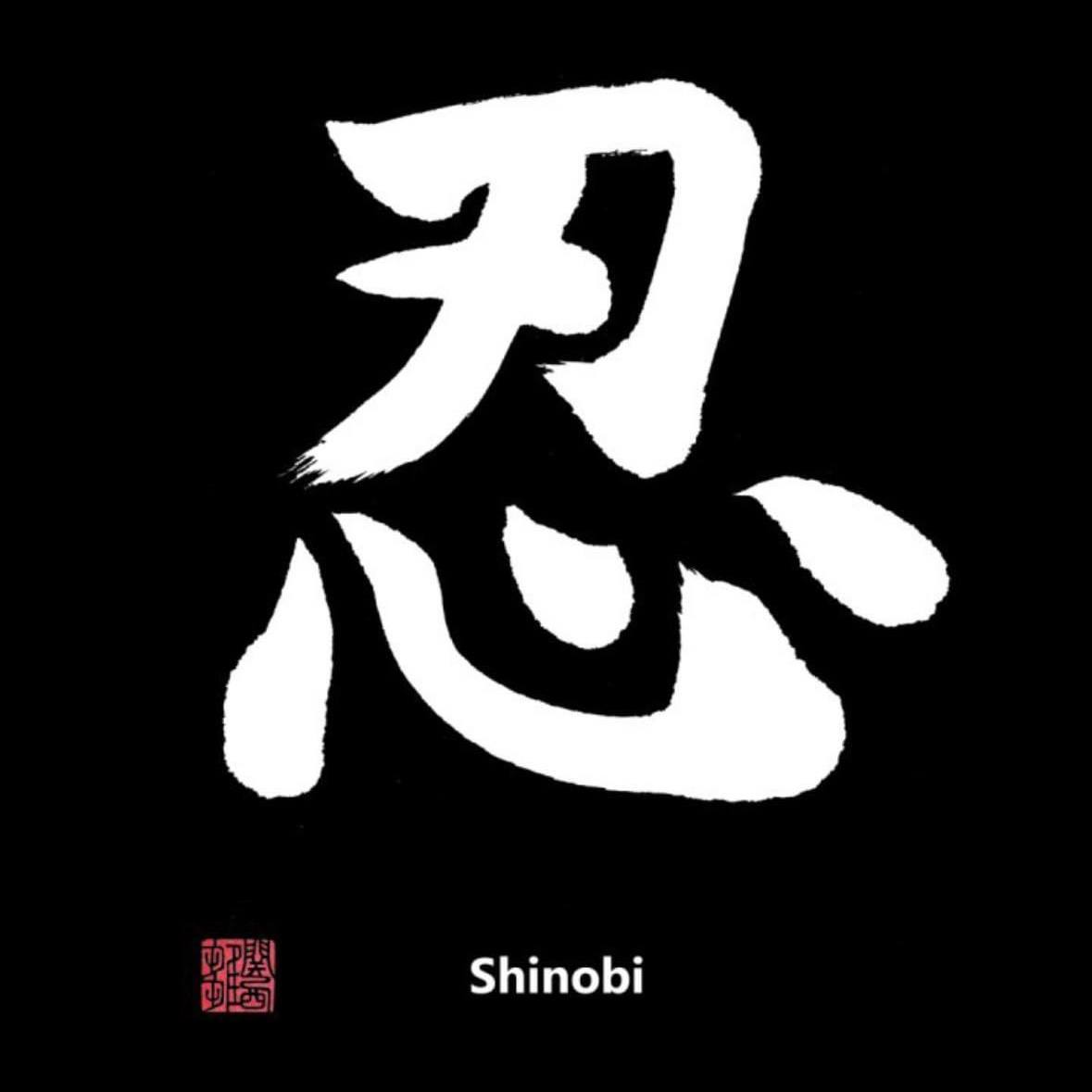
This is an important point that illustrates that a Shadow warrior can only be a true master of the Shadow if they are surrounded by the Divine, fully anchored in the Light of Spirit. All else will lead to indulgence and delusion.
This is actually one of the main issues with popular fad spiritual practices of the New Age that indulge in the shadow and promote "shadow work" by engaging in the darkness without first anchoring in the Light of the Divine.
In many modern spiritual spaces, the shadow has become romanticized. Practices involving altered states, psychedelics, ritual work, and subconscious exploration are often approached without sufficient grounding, preparation, or integration.
This is far more commonly seen with those who use ayahuasca, which is a lunar sacrament and is directly connected to opening up the shadow and accessing the deeper layers of the Collective Unconscious.

Traditionally, lunar and underworld-oriented sacramental practices were not treated casually. They were approached within structured initiatory systems designed to help practitioners navigate confrontation with fear, trauma, unconscious drives, projection, and psychic fragmentation.
There is a real danger with confronting the deep unconscious without proper purification and discipline, especially.
The issue is not the existence of the shadow itself. Genuine shadow work can be profoundly healing and transformative. The danger emerges when fascination with darkness replaces true integration or when there is a projection of the deep unconscious going outwards.
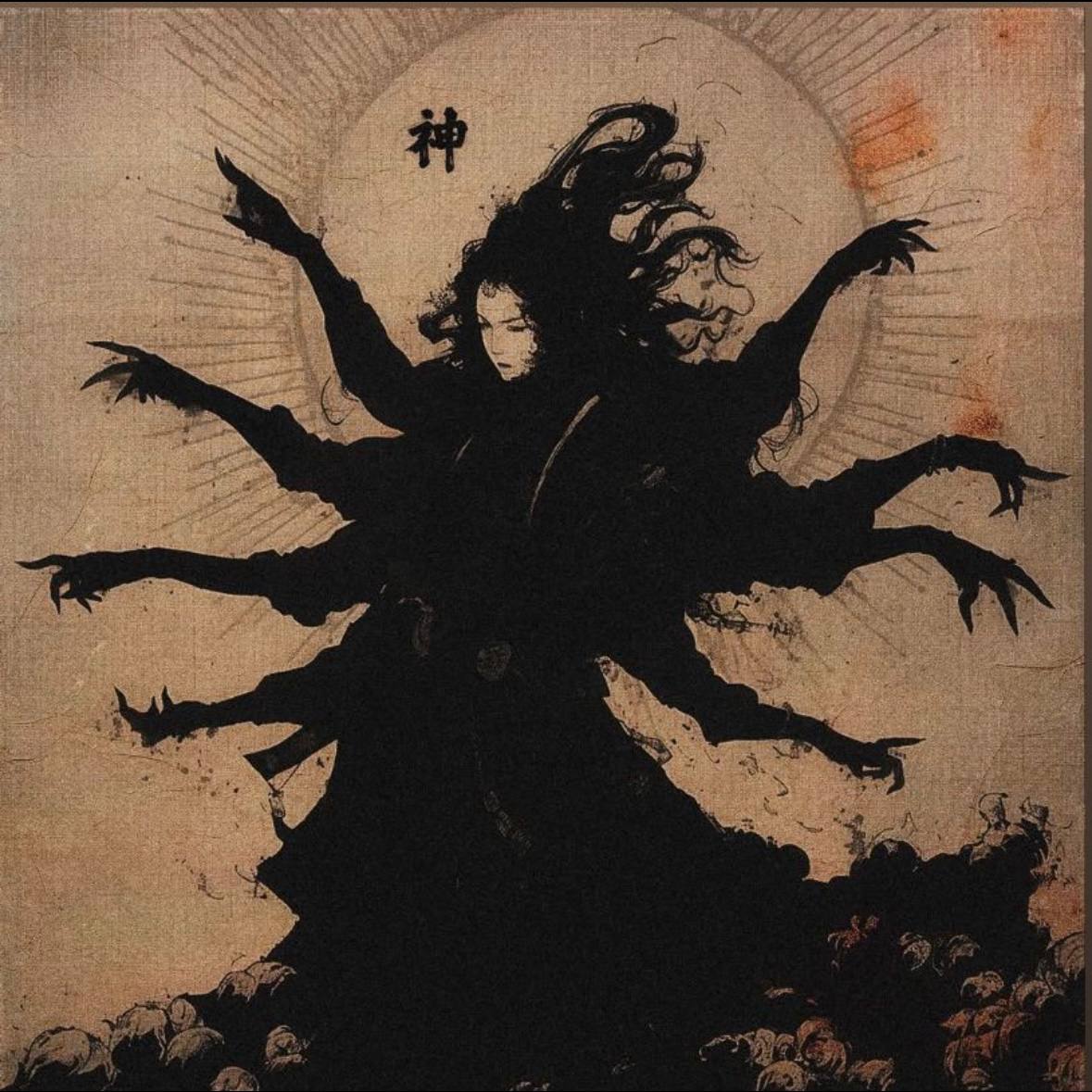
Without discernment, many seekers mistake emotional overwhelm, spiritual inflation, trauma activation, or psychological destabilization for spiritual awakening or in shadow work. What begins as a sincere search for healing can gradually become an unconscious identification with chaos, victimhood, power, or psychic intensity itself.
This is why authentic traditions emphasized purification, ethical discipline, embodiment, and grounded self-awareness alongside mystical practice.
Shadow work was never meant to become an aesthetic, identity, or trend. It was intended to become a path toward greater wholeness, clarity, responsibility, and conscious transformation.
None of this should scare anyone out of this work. In fact, shadow work is a necessary part of the path and no real alchemy can occur without first diving into the Darkness.

Committing to shadow work as an alchemical practice should be treated as an initiatory path.
In this course, we move beyond surface-level interpretations of shadow work to explore its deeper psychological, esoteric, alchemical, and initiatory dimensions.
We examine:
Jungian foundations of the shadow vs ancient views of the soul
Projection and unconscious patterning
The role of lunar symbolism and the subconscious and how it relates to various aspects of the soul
Spiritual bypassing and inflation
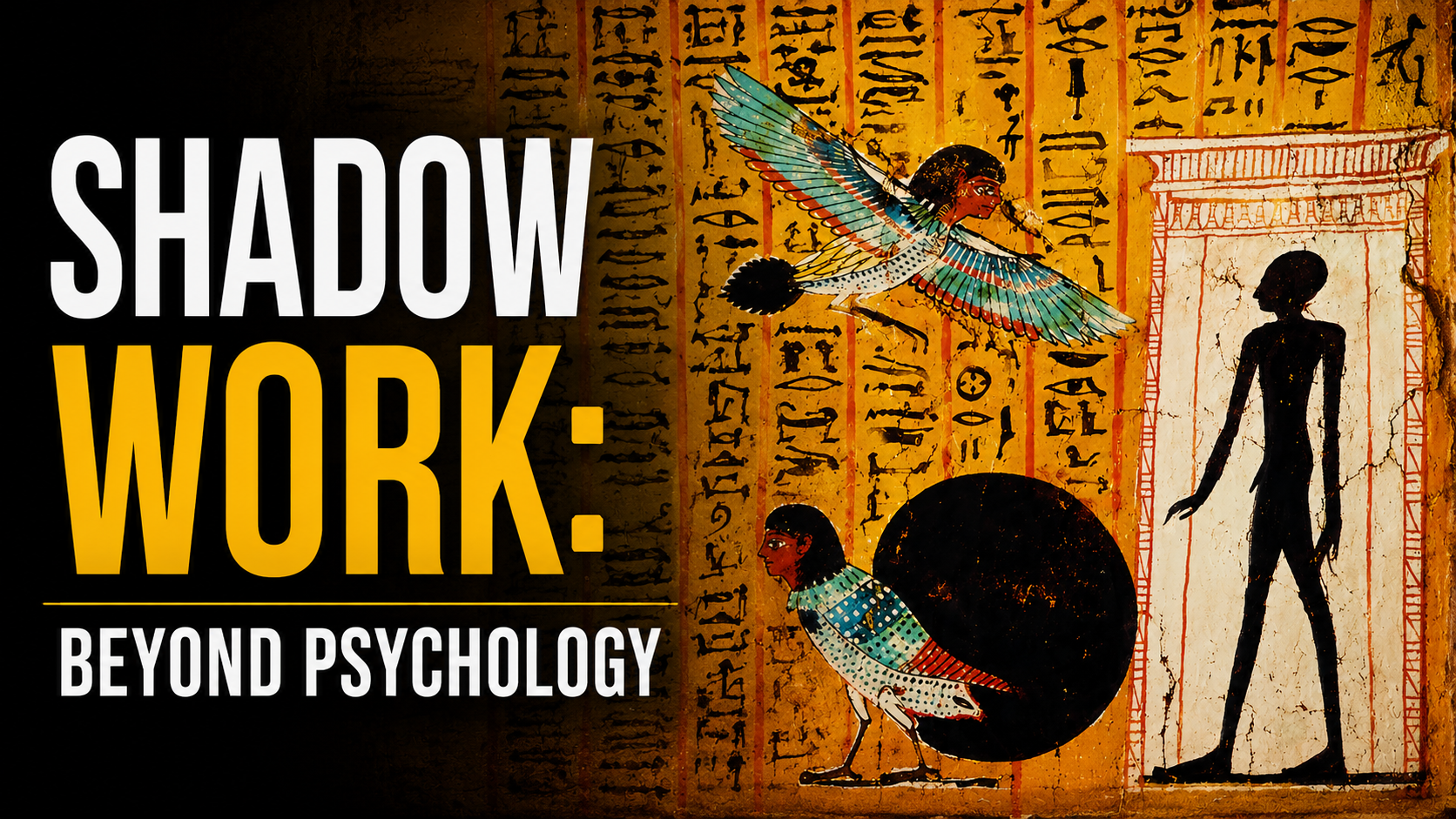
Ancient Egyptian, Far Eastern and shamanic approaches to purification and practice
Discernment within altered states and mystical practice
practical methods for grounded inner transformation
This course is designed for seekers who want a more mature, balanced, and integrative understanding of shadow work beyond modern social media trends and psychological reductionism.